



What is delayed diagnosis malpractice?
Delayed diagnosis malpractice can occur when a medical provider fails to diagnose a condition in a timely way, fails to order appropriate testing, misreads results, ignores symptoms or fails to follow up, and the delay causes preventable harm.
Quick answer
A delayed diagnosis claim focuses on timing: whether a careful provider should have identified the condition earlier and whether earlier treatment would likely have improved the patient’s outcome.
Common delayed diagnosis cases
- Cancer diagnosed after missed symptoms, abnormal tests or delayed referrals
- Heart attack or cardiac symptoms mistaken for a less serious problem
- Stroke symptoms missed in an emergency room or clinical setting
- Neurological disease, infection or sepsis diagnosed too late
- Failure to communicate test results or schedule necessary follow-up care
Why timing matters
For many serious conditions, earlier diagnosis can mean earlier treatment, a wider range of options and a better chance of recovery. A delayed diagnosis case examines whether the patient lost time, treatment options or survival chances because a provider failed to act reasonably.
Evidence that can support a delayed diagnosis claim
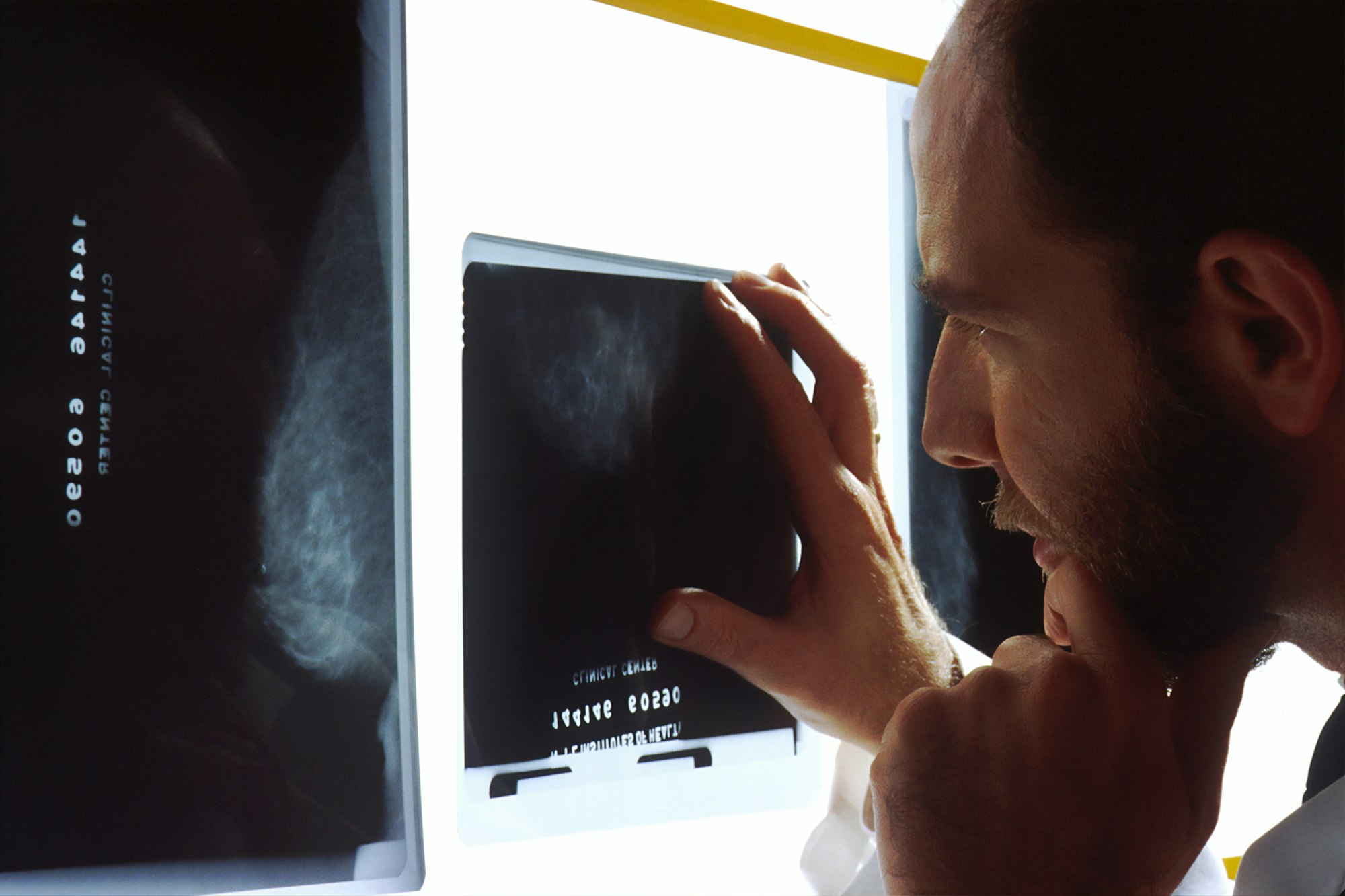
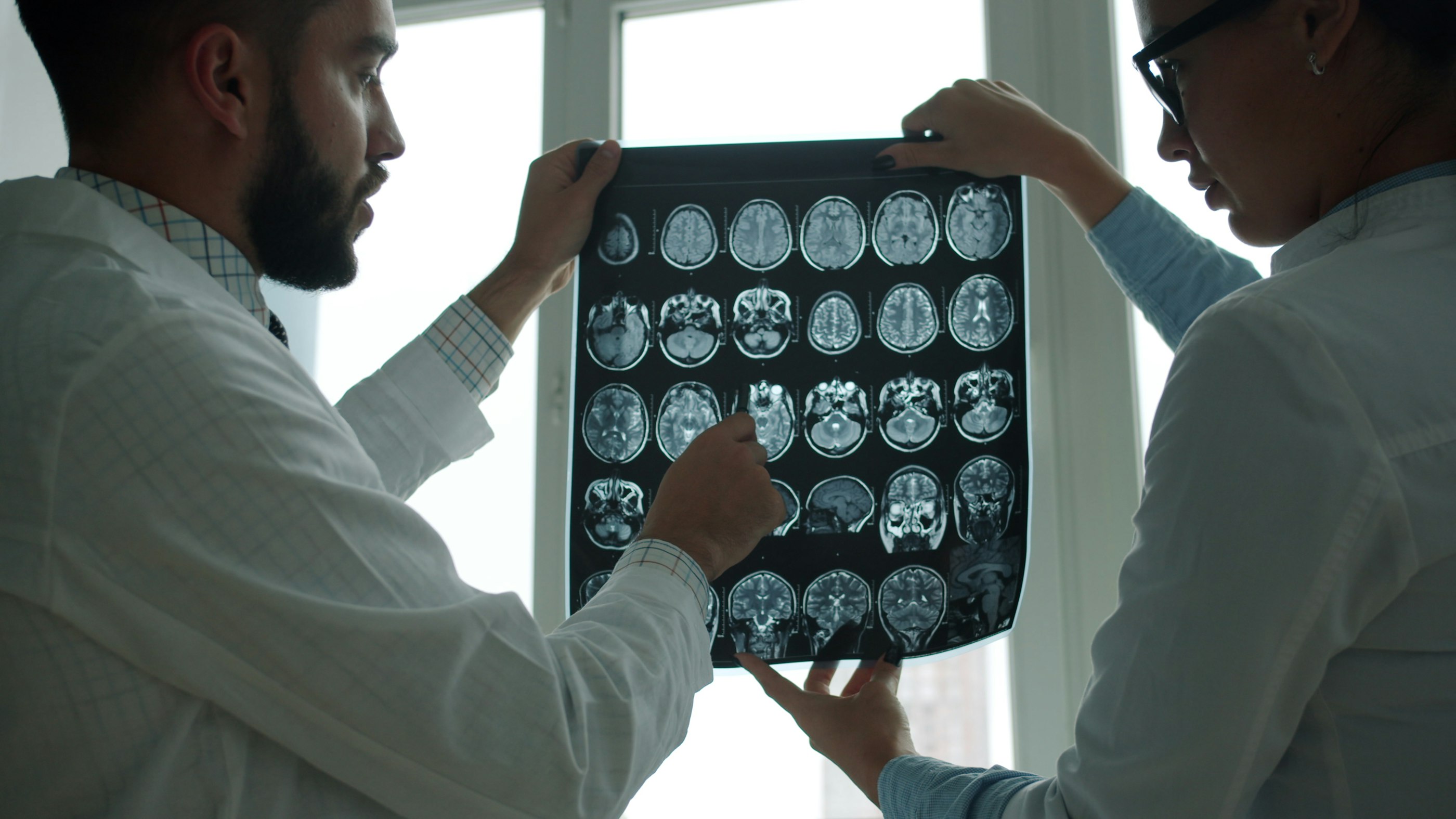
Important evidence may include medical records, symptom history, test orders, imaging, lab reports, referral notes, emergency department records, discharge instructions, portal messages and expert review of what should have happened sooner.
Frequently asked questions about delayed diagnosis claims
Is a wrong diagnosis always malpractice?
No. A claim usually requires more than an incorrect diagnosis. The question is whether the provider failed to act as a reasonably careful medical professional would have acted under the circumstances.
What conditions are often involved?
Delayed diagnosis claims often involve cancer, heart attack, stroke, neurological disease, infection, sepsis and other conditions where time-sensitive treatment matters.
Who may be responsible for a diagnostic delay?
Depending on the facts, responsibility may involve a doctor, specialist, emergency department, hospital, radiologist, lab, clinic or multiple providers involved in testing and follow-up.
What should patients bring to a consultation?
Helpful materials include records, test results, discharge papers, appointment timelines, portal messages, referral information and a written timeline of symptoms and provider visits.
Speak with a Pittsburgh delayed diagnosis attorney
Call 412-546-5220 to request a free consultation with Phillips Froetschel, LLC.