Pittsburgh Product Liability Lawyers

Claims involving defective machinery, vehicle parts, consumer products and dangerous equipment.

Product Liability Attorneys Serving Pittsburgh and Western Pennsylvania

When a product fails and someone is badly hurt, the company that designed, made or sold it may be responsible. Phillips Froetschel represents people injured by defective machinery, vehicle parts, tools, appliances, consumer products and other dangerous goods in Pittsburgh and Western Pennsylvania.

A man in a factory inspecting a piece of industrial equipment

Product Cases Are Won With the Product Itself

Product liability claims often turn on the failed product, its design history, warnings, recalls, testing records and how it was sold. Preserving the product before it is repaired, discarded or returned can be critical. Laura Phillips, Joe Froetschel and the Phillips Froetschel team bring more than 100 years of combined experience to serious injury claims.

Types of Product Defects We Investigate

Claims generally involve a design defect, a manufacturing defect or a failure to warn. Common examples include machinery without proper guards, defective tires and brakes, airbag and seatbelt failures, exploding batteries, collapsing ladders, faulty power tools and unsafe household appliances.

Who May Be Responsible for a Defective Product?

Responsibility may involve the manufacturer, a parts or component maker, the designer, a distributor, a retailer or a company that installed or modified the product. Many products pass through several companies before they reach the person who is hurt, and identifying every liable party can be critical when injuries are severe.

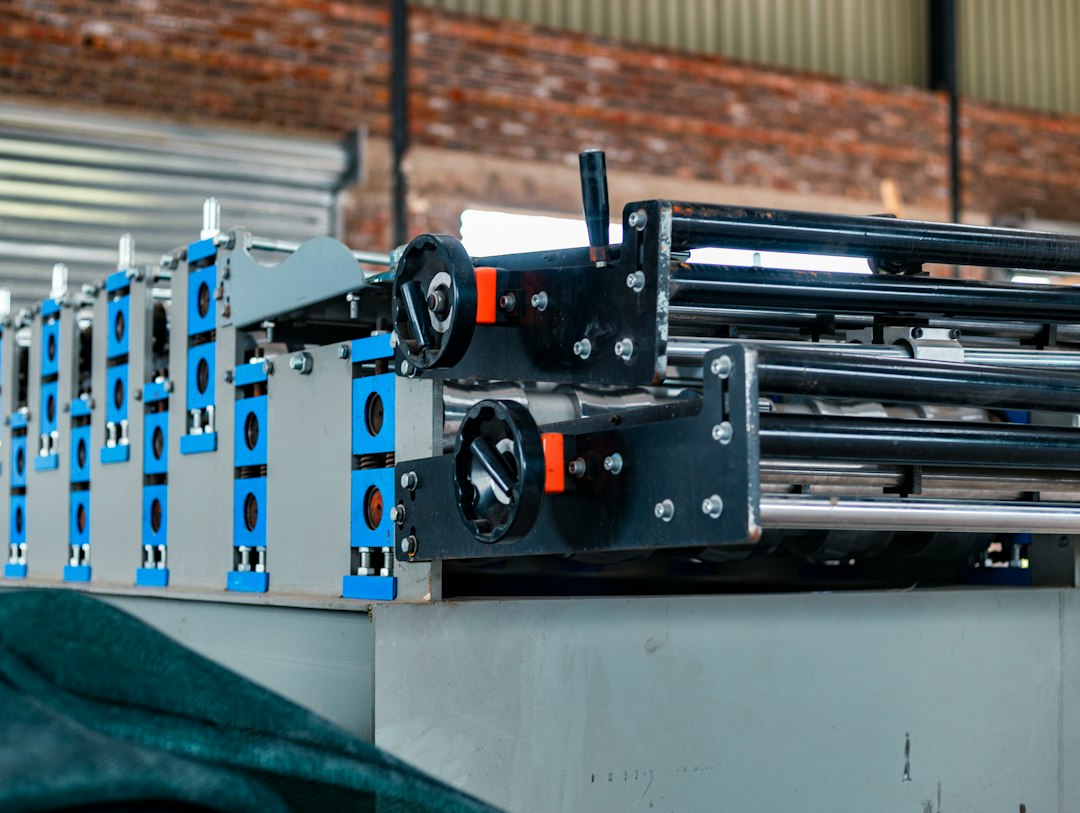
Close-up of industrial roll-forming machinery in a factory

Product liability answers

How is a product liability claim different from other injury claims?

A product claim focuses on the product and the companies behind it, not only on how the injured person used it. These cases often involve engineering experts, design and testing records, recall history and several corporate defendants. The investigation should begin quickly because the product itself is often the most important evidence.

Quick answer

Phillips Froetschel represents Pittsburgh residents injured by defective machinery, vehicle parts, tools, appliances and consumer products. The firm investigates every company in the product's chain, including manufacturers, component makers, distributors and sellers.

Evidence that can prove a product liability claim

Important evidence may include the product itself, packaging, manuals and warning labels, purchase records, recall notices, photos of the scene, maintenance or modification records, witness statements and medical records showing the full impact of the injury.

Frequently asked questions about product liability

Should I keep the product that hurt me?

Yes. Keep the product, its parts and its packaging, and do not repair, discard or return it. Avoid testing it yourself. An attorney can arrange for it to be stored and inspected properly.

What if I was using the product at work?

You may have a workers' compensation claim and a separate claim against the company that made the product. Phillips Froetschel handles both, which helps when a workplace injury involves defective equipment.

How long do I have to file a claim?

In Pennsylvania, most personal injury claims must be filed within two years, and some circumstances change that deadline. Speaking with a lawyer early protects both the deadline and the evidence.


Subscribe Image

Related Personal Injury Practice Areas

Product liability claims often overlap with workplace injuries, vehicle crashes and catastrophic injury claims.

Personal Injury

Overview of serious injury claims after negligence causes harm.

Learn more
Manufacturing Injuries

Workers' compensation for machinery and industrial injuries.

Learn more
Car Accidents

Claims involving negligent drivers and serious passenger-vehicle crashes.

Learn more
Wrongful Death and Catastrophic Injuries

Representation after fatal accidents, brain injury, spinal cord injury and paralysis.

Learn more